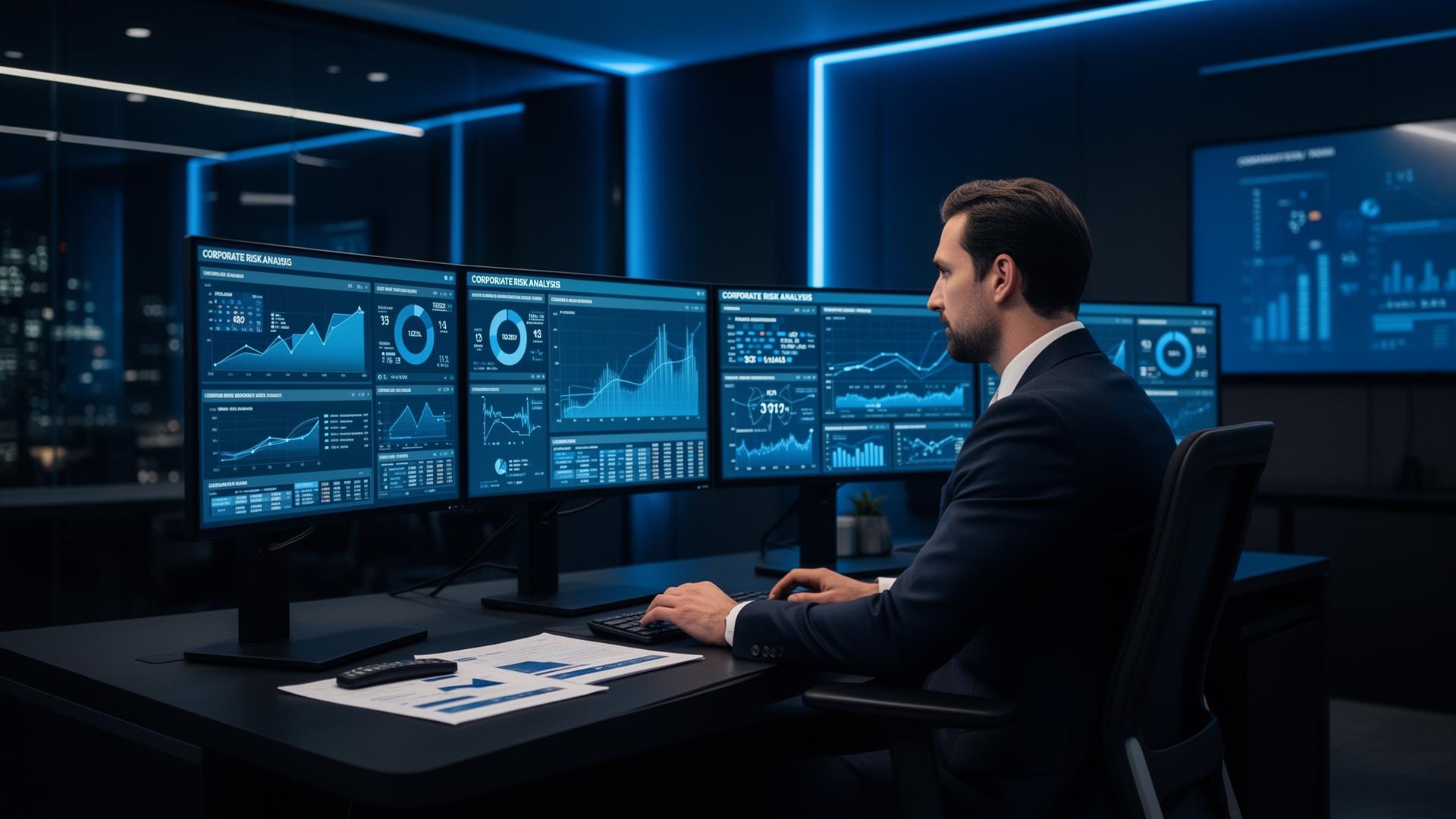
What is professional OSINT and why does it matter at corporate level?
OSINT (Open Source Intelligence) is the discipline of obtaining, analyzing, and interpreting information from publicly accessible sources to generate actionable intelligence. It's not about "searching Google": it's about applying methodology, analytical judgment, and experience to transform scattered data into strategic knowledge.
When a CEO seeks information about a potential partner, a Compliance Officer investigates a foreign supplier, or an investment fund evaluates an acquisition, the difference between a superficial search and professional OSINT analysis can mean millions in avoided risk — or risk assumed unknowingly.
What Google shows vs. what an OSINT analysis reveals
Google is a search engine. OSINT is an intelligence discipline. The difference is fundamental:
- Google indexes visible public content. OSINT also analyzes commercial registries, specialized databases, professional networks, sector forums, historical domains, and metadata.
- Google returns results. OSINT generates contextualized conclusions with credibility analysis, source cross-referencing, and risk assessment.
- Google is instant. OSINT requires time, method, and — above all — human judgment to separate noise from signal.
- Google doesn't correlate. OSINT connects dots across jurisdictions, corporate identities, shareholding networks, and digital behavior patterns.
An executive can search Google and find a company's website. An OSINT analyst can determine if that company has opaque ties, if its directors have relevant backgrounds in other jurisdictions, if its corporate structure shows red flags, and if the information presented to the market is consistent with reality.
Five areas where professional OSINT protects your company
1. Digital Due Diligence in corporate operations
Before closing an acquisition, alliance, or high-level hire, professional OSINT verifies declared information, detects hidden reputational risks, and validates the counterparty's profile consistency. It doesn't replace legal or financial due diligence but complements it with a verification layer that frequently reveals what formal documents don't show.
2. Reputational risk analysis
A company's or executive's digital reputation isn't limited to the first page of results. Content in specialized forums, mentions in international media, activity on professional networks, employee and supplier comments — all configure a reputational profile that can condition commercial operations, financing, and even legal proceedings.
3. Digital executive protection
The digital exposure of an organization's executives is a growing risk vector. Publicly accessible personal information, behavior patterns deducible from social media, and inadvertently leaked corporate data can facilitate social engineering attacks, identity theft, or extortion.
4. Ethical competitive intelligence
Understanding the competition's public activity — corporate movements, key hires, patent registrations, media activity — allows anticipating strategic moves without crossing ethical or legal lines. It's public information, analyzed with method.
5. Supplier and third-party verification
Regulations like the EU Due Diligence Directive require companies to verify supply chains. Professional OSINT evaluates third-party exposure in risk jurisdictions, detects cross-shareholdings, and validates information declared in qualification processes.
Why "do it yourself" doesn't work in corporate intelligence
It's tempting to think anyone with internet access can do OSINT. Technically, they can search for information. But the difference between searching and analyzing is the same as between having access to financial statements and knowing how to interpret them.
The most common mistakes when attempting OSINT without professional training are:
- Confirmation bias: searching for what you want to find instead of what exists.
- Absence of methodology: without a structured process, relevant sources are missed and irrelevant ones are overvalued.
- Lack of legal judgment: not everything accessible is usable. The regulatory framework (GDPR) sets limits that a professional knows and respects.
- Inability to correlate: connecting data from multiple sources, jurisdictions, and languages requires experience and specific tools.
- False sense of security: a search that finds nothing doesn't mean there's nothing to find.
Who needs professional OSINT (and who thinks they don't)
The profiles that benefit most from open source intelligence are precisely those who make high-impact decisions with incomplete information:
- CEOs and General Directors evaluating alliances, acquisitions, or markets.
- CFOs who need to validate the real solidity of financial counterparties.
- Compliance Officers responsible for regulatory compliance and risk prevention.
- Legal Directors preparing litigation or due diligence in complex operations.
- Investment funds and Family Offices evaluating opportunities and management teams.
- Commercial law firms representing corporate interests in cross-border operations.
If your decision can be affected by information you don't know, you need a professional analysis before acting.
What differentiates Zero101OSINT from "searching Google"
We're not an automated tool. We don't generate generic reports. Each analysis is specifically designed for the client's context and the decision they need to make.
- Proprietary methodology validated in real cases over years.
- Human judgment: AI and automated tools generate noise. The value is in knowing what to look for, where to look, and how to interpret findings.
- Legal framework: we work exclusively with open sources within the applicable regulatory framework.
- Absolute confidentiality: reports are delivered exclusively to the client. We don't store data from completed investigations.
- Decision-oriented: we don't deliver raw data. We deliver actionable intelligence with concrete recommendations.
Google offers data. Zero101OSINT offers strategic intelligence.
Frequently asked questions
Related articles
Are you making corporate decisions without all the information?
Request a confidential strategic evaluation. We analyze your specific situation and indicate whether we can help — and how.
Response within 24-48 hours. Confidentiality guaranteed.